
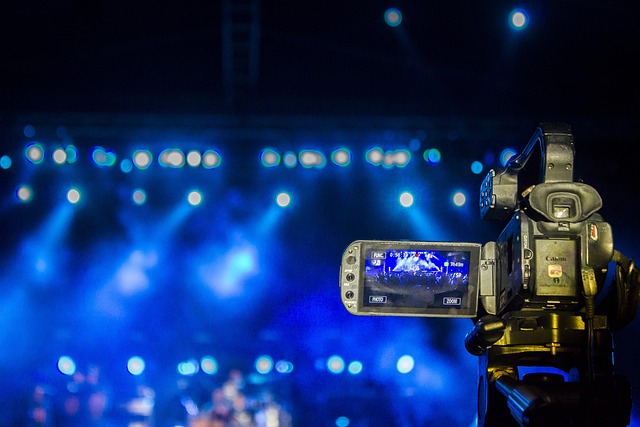



In today’s fast-paced digital world, corporate video production has evolved into one of the most powerful ways businesses communicate. It’s no longer enough to tell your brand story you have to show it, feel it, and make it resonate through moving visuals, compelling storytelling, and authentic voice. Whether it’s an internal communication video, a brand introduction, or a product showcase, a well-produced corporate video can shape perceptions, inspire trust, and create long-lasting connections with audiences.
From storyboarding and filming to editing and voice overs, every stage of corporate video production contributes to how your brand looks and sounds. In this complete Corporate Video Production Guide by M4B media Production, we’ll explore what corporate video production really means, why it matters, and how you can create impactful videos that engage, inform, and inspire.
What Is Corporate Video Production?
Corporate video production refers to the process of creating professional video content that represents a company, brand, or organization. Unlike traditional advertising, corporate videos are designed not just to sell, but to build relationships and communicate trust. These videos can include:
- Company profile videos
- Promotional and marketing videos
- Training and internal communication videos
- Event coverage
- Brand storytelling films
- Investor and recruitment videos
Each type of corporate video serves a distinct purpose whether to showcase your company’s culture, explain a service, inspire employees, or strengthen your brand reputation.
A truly effective corporate video aligns with your brand voice, goals, and audience expectations. It doesn’t just look professional it feels authentic, informative, and emotionally engaging.
Why Corporate Video Production Matters
In a digital era where attention spans are shrinking, videos are the most effective form of communication. Studies show that people retain up to 95% of a message when they watch it in a video compared to only 10% when reading it as text. That’s why corporate video production is no longer a luxury it’s a necessity.
A well-crafted corporate video helps you:
- Build brand trust and credibility
A polished video reflects professionalism and shows that your company values quality and communication. - Explain complex information clearly
Through visuals, voice, and graphics, even technical details can be simplified and made engaging. - Boost online visibility and SEO
Search engines love video content. Adding corporate videos to your website improves ranking and engagement metrics. - Increase conversions and sales
Product or testimonial videos influence customer decisions more effectively than written content alone. - Strengthen internal culture
Training and onboarding videos ensure consistent communication within your organization.
In short, corporate video production bridges the gap between brand and audience, turning information into emotion and emotion into action.
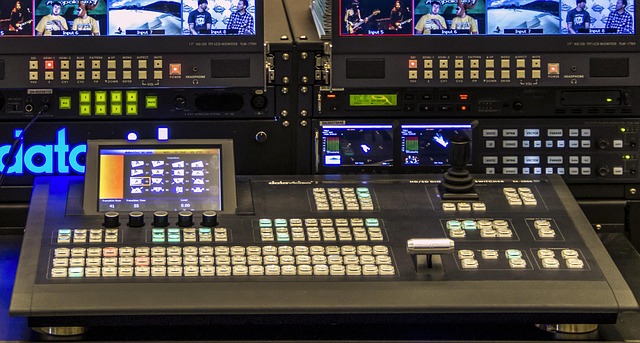
The Core Pillars of Corporate Video Production
Great corporate videos don’t happen by accident they’re built through a structured process. Let’s walk through each key stage:
1. Strategy and Planning
Every successful corporate video starts with a strong strategy. Before you pick up a camera or write a script, define your goals clearly.
Ask yourself:
- What is the objective of this video? (Brand awareness, internal training, recruitment, etc.)
- Who is your target audience?
- What is the key message you want to communicate?
- Where will the video be published website, social media, or corporate events?
Once these are defined, create a production brief outlining your goals, timeline, and budget. This helps align your creative team and ensures every decision supports your strategy.
2. Storytelling: Crafting the Right Narrative
At the heart of every great corporate video lies a story. Storytelling transforms information into emotion. It makes your audience care.
The most effective corporate storytelling follows a simple framework:
- Introduction: Present your brand or problem.
- Journey: Show the process, solution, or mission.
- Resolution: Deliver the message or transformation.
- Call to Action: Guide the viewer on what to do next.
Even in professional settings, emotion matters. People don’t just buy products they buy feelings, trust, and experiences. Use real employees, authentic visuals, and relatable voices to humanize your message.
Tip: Keep your script conversational. Avoid corporate jargon. Speak as if you’re talking directly to one person.
3. Pre-Production: Laying the Foundation
Pre-production is where ideas become actionable plans. It’s the blueprint for your entire shoot. During this phase, focus on:
- Scripting: Write your voice-over and on-screen dialogue. Keep sentences short and natural.
- Storyboarding: Visualize each scene with sketches or reference images.
- Casting: Choose on-screen talent or voice artists that reflect your brand tone.
- Location scouting: Pick environments that complement your message offices, studios, or outdoor shots.
- Scheduling: Plan shoot dates, equipment, and crew availability.
A strong pre-production plan ensures the actual filming process runs smoothly and efficiently.
4. Production: Bringing Your Story to Life
This is where the magic happens cameras roll, lights shine, and ideas come alive.
During production, focus on:
- Lighting: Good lighting enhances quality and mood.
- Framing and composition: Every shot should guide attention to what matters most.
- Audio recording: Capture clean sound or record professional voice overs later.
- Performance: Keep delivery natural and confident.
Even if you’re filming a corporate presentation, avoid making it look staged or overly formal. Authenticity always wins. Viewers relate better to real people with real expressions.
If budget allows, hire a professional corporate video production company they bring experience, creativity, and technical expertise that elevates your final output.
5. Post-Production: Editing That Tells a Story
Editing is where your video takes its final shape. It’s not just about cutting clips it’s about rhythm, emotion, and flow.
Key elements of corporate video editing include:
- Sequencing: Arrange clips to maintain a logical and emotional flow.
- Color correction: Ensure consistency and professional look.
- Graphics & branding: Add logos, lower thirds, and animations that match your identity.
- Music & sound design: Choose background music that fits the tone upbeat for promotions, calm for corporate culture.
- Voice over integration: Add narration that complements visuals and reinforces key points.
A well-edited corporate video should feel seamless guiding the viewer from start to finish without distraction.
6. Voice Overs: The Sound of Trust
While visuals attract attention, voice overs build connection. A great corporate voice doesn’t just narrate; it conveys authority, warmth, and trust.
Here’s how to make your voice over stand out:
- Use a professional voice artist who matches your brand personality.
- Choose the right tone – confident, friendly, or informative.
- Keep pacing natural – not too fast, not too slow.
- Record in a quiet, acoustically treated space for clean sound.
- Edit out breaths, pops, and background noise for clarity.
The voice is your brand’s personality in sound. A confident and sincere voice inspires trust, especially in corporate communication videos.
7. Distribution and Promotion
Once your video is ready, it’s time to share it with the world. A beautifully produced video is useless if it never reaches your audience.
Consider where your audience spends the most time:
- Website & Landing Pages: Great for showcasing brand identity.
- LinkedIn & YouTube: Perfect for professional networking and SEO visibility.
- Internal Platforms: For training or employee engagement.
- Events & Presentations: Use videos to impress stakeholders or investors.
Optimize each upload with relevant titles, descriptions, and keywords (like corporate video production, brand storytelling, company profile video) to boost discoverability.
8. Measuring Success
Corporate video production doesn’t end when the video goes live it continues with measurement. Use analytics tools to track:
- Views and engagement rate
- Watch time
- Conversion metrics (clicks, inquiries, sign-ups)
- Audience retention
These insights help refine your future videos and improve ROI. Always learn from performance data it’s your best creative compass.
Tips for Creating Corporate Videos That Inspire Trust
1. Keep it authentic
Authenticity is the cornerstone of trust in corporate video production. Instead of hiring actors or using staged footage, feature real employees, actual office environments, and true company moments. This approach humanizes your brand, making viewers feel they’re seeing the people behind the business not just a polished corporate façade. Real smiles and unscripted emotions resonate far more deeply than scripted perfection.
2. Prioritize clarity
A successful corporate video communicates clearly from start to finish. Avoid jargon, cluttered visuals, or overcomplicated messages. Use simple language, clean graphics, and concise storytelling to ensure your audience instantly understands who you are and what you offer. Every shot, caption, and line of dialogue should move the viewer closer to your main message not distract from it.
3. Use storytelling over selling
Today’s audiences don’t respond well to hard sales tactics; they connect with stories that feel human and emotional. Structure your corporate video around a relatable narrative perhaps a customer journey, an employee’s experience, or the company’s mission in action. When viewers feel emotionally connected, they’re more likely to trust your brand and remember your message long after the video ends.
4. Maintain visual consistency
Visual identity builds familiarity and trust. Make sure every element in your video from color palette and typography to camera style and transitions aligns with your established brand guidelines. Consistency across your website, videos, and marketing materials signals professionalism and reliability. Viewers should instantly recognize your brand’s look and feel, whether they see your logo or not.
5. Invest in quality sound and editing
Even the most beautifully shot footage can lose credibility with poor audio. Use professional microphones, ensure balanced sound levels, and include background music that complements (not overpowers) the message. Smooth editing, natural transitions, and precise timing show attention to detail and that same attention reflects on how your business operates. In corporate video production, good editing is as important as good storytelling.
6. Add subtitles
Accessibility and inclusivity are key to modern video engagement. Adding subtitles ensures your message reaches audiences who watch on mute or have hearing impairments. It also helps viewers retain information better and makes your content more SEO-friendly. In corporate marketing, captions can make the difference between a viewer skipping your video or staying to watch until the end.
7. End with purpose
Every corporate video should end with intention. Whether you want viewers to visit your website, sign up for a service, or simply remember your brand values, your call to action (CTA) must be clear and motivating. Use a confident voice over or a clean visual cue to guide your audience on what to do next turning passive viewers into active participants in your brand story.

Final Thoughts: Crafting Videos That Build Trust
A great corporate video does more than showcase your brand it communicates your values, builds relationships, and earns trust. Every shot, every edit, every voice line plays a role in shaping how your audience perceives you.
From strategy and storytelling to editing and distribution, each step of corporate video production contributes to the bigger picture: how your brand makes people feel. When done right, your corporate videos can turn viewers into loyal customers, employees into ambassadors, and ideas into impact and this can be done with experts at M4B media Production.
So, the next time you plan your brand’s visual communication, remember: it’s not about making a video it’s about telling a story that inspires trust.
FAQs:
What is the main purpose of corporate video production?
Corporate video production helps businesses communicate brand messages, promote products, and build trust with both internal and external audiences.
How long should a corporate video be?
Ideally between 60 to 180 seconds. Keep it concise, engaging, and focused on your key message.
What’s the difference between a corporate video and a commercial?
Corporate videos focus on brand values, internal communication, or company culture, while commercials aim to directly promote or sell products.
How much does corporate video production cost?
It varies based on scope, duration, equipment, and crew size. Basic videos may start from a few hundred dollars, while high-end productions cost thousands.
Why is voice over important in corporate videos?
Voice overs add clarity, emotion, and personality helping the audience connect with your message more deeply.